
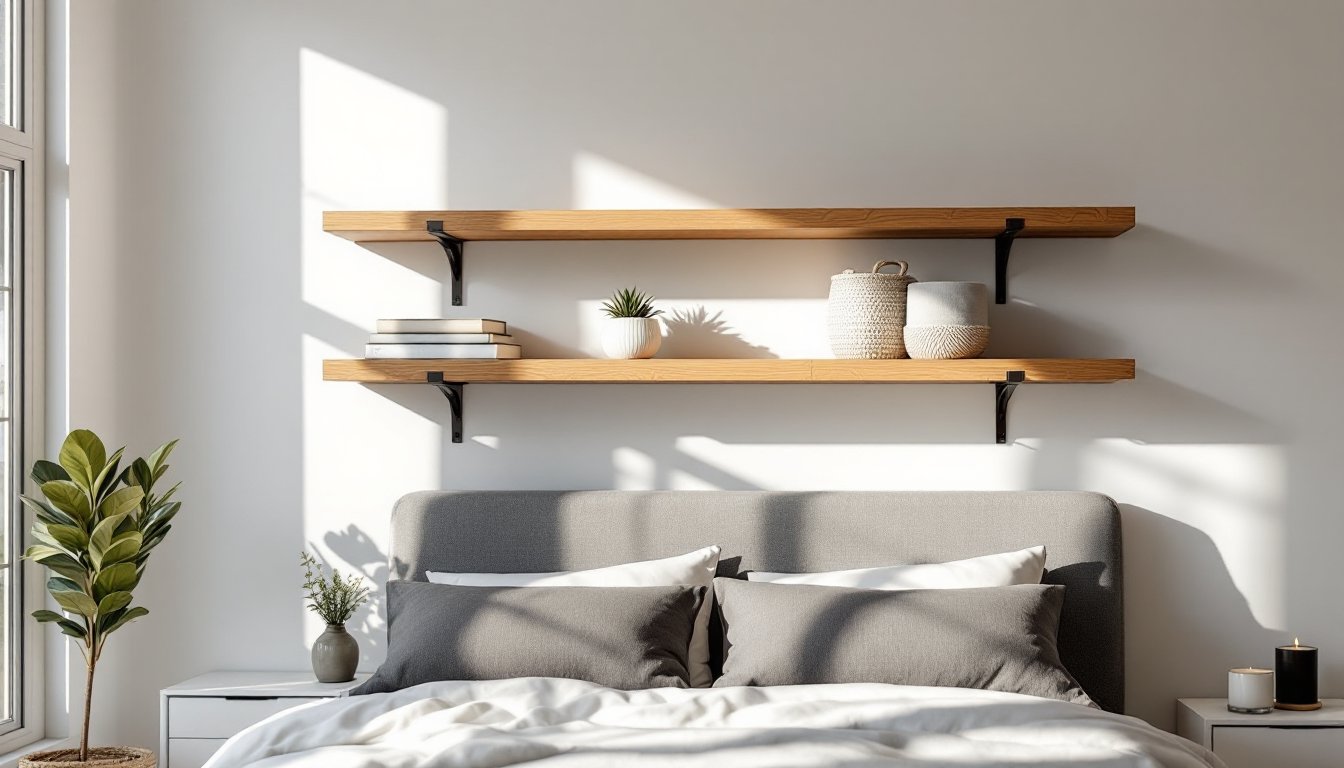
Bedroom square footage doesn’t grow on demand, but storage needs do. Between seasonal clothing, books, electronics, and the accumulated stuff of daily life, even generously sized bedrooms can feel cramped. The wall space above a bed, often left bare or decorated with a single piece of art, represents roughly 20 to 30 square feet of untapped storage potential in a standard room. Over the bed storage solutions turn that dead zone into functional real estate without eating into floor space or requiring a major renovation. Whether someone’s working with a 10×10 rental bedroom or trying to reclaim a kid’s room from toy chaos, overhead storage offers a practical fix that doesn’t demand a contractor or a permit.
Table of Contents
ToggleKey Takeaways
- Over the bed storage solutions add 10 to 20 cubic feet of storage without consuming floor space or requiring major renovations, making them ideal for small bedrooms.
- Proper wall anchoring is essential—use toggle bolts or heavy-duty anchors rated for at least 50 pounds for drywall installations, and always plan for 1.5x the expected load capacity.
- Wall-mounted options include floating shelves, closed cabinets, and full overhead storage units; choose based on wall construction type, ceiling height, and whether you’re storing lightweight items or heavier gear.
- Leave at least 24 inches of clearance between the headboard and storage unit to avoid an oppressive cave-like feeling and ensure safe use.
- DIY over the bed storage projects like floating shelf trios and box frame units can be completed in a weekend with basic tools and materials costing $40 to $120.
- Strategic styling—such as matching storage to your wall color, adding LED lighting, and curating visible items—transforms functional overhead storage into an intentional design element that blends seamlessly with bedroom aesthetics.
Why Over the Bed Storage Is a Game-Changer for Small Bedrooms
Small bedrooms force tough decisions: either live with clutter or sacrifice floor space to bulky furniture. Over the bed storage sidesteps that trade-off entirely. By building upward instead of outward, homeowners can add 10 to 20 cubic feet of storage without blocking walkways, shrinking the room visually, or rearranging existing furniture.
Vertical space utilization is the key advantage. Most building codes require a minimum ceiling height of 7 feet 6 inches in habitable rooms, but typical bedroom ceilings sit at 8 to 9 feet. That leaves 3 to 4 feet of clearance above a standard mattress and headboard, more than enough for shelving, cabinets, or floating units that hold books, linens, or off-season gear.
Unlike freestanding wardrobes or dressers, wall-mounted storage doesn’t create visual barriers. The bed remains the room’s focal point, and sightlines stay open. This approach works especially well in rentals or older homes where closet space was an afterthought. It’s also reversible: most installations use standard wall anchors and leave only small holes that patch easily with spackle when it’s time to move.
From a practical standpoint, overhead bed storage keeps frequently needed items within arm’s reach, no bending, no digging through bins under the bed. It’s particularly useful for bedrooms that double as home offices or guest rooms, where extra storage helps maintain a dual-function space without visual clutter.
Types of Over the Bed Storage Solutions
Choosing the right system depends on what needs storing, how much weight it’ll carry, and whether the walls can handle the load. Here’s a breakdown of the most common options.
Wall-Mounted Shelves and Cabinets
Open shelving offers the simplest install. Standard floating shelves made from 3/4-inch plywood or solid wood can span 36 to 48 inches between brackets and hold 20 to 50 pounds depending on the bracket type and wall anchoring. For drywall installations, use toggle bolts or heavy-duty wall anchors rated for at least 50 pounds each, standard plastic anchors won’t cut it for anything heavier than a picture frame.
Closed cabinets add a cleaner look and keep dust off stored items. Wall-mounted cabinets designed for kitchens or bathrooms work just as well above a bed. Look for units 12 to 15 inches deep, anything deeper risks a cave-like feel or head-bumping when sitting up in bed. Soft-close hinges are worth the extra cost if the cabinets will be opened frequently: slamming doors above a sleeping surface gets old fast.
For renters or anyone hesitant to drill into walls, track-based systems like slotted standards (the metal rails with adjustable brackets) distribute weight across multiple anchor points and allow for easy reconfiguration. Many woodworking project plans include adaptable shelf designs that work well in bedroom applications.
Overhead Storage Units and Floating Shelves
Overhead storage units bridge the gap between simple shelving and built-in furniture. These box-frame structures span the full width of the bed, typically 60 inches for a queen or 76 inches for a king, and incorporate multiple shelves, cubbies, or even integrated lighting. Some designs rest on side supports that bolt to the wall studs, while others use a French cleat system (interlocking beveled rails) for a seamless mount.
Floating shelves create a minimalist aesthetic but require solid anchoring. For bedrooms with wood studs on 16-inch centers, securing shelves directly into studs with 3-inch construction screws provides the most reliable hold. In homes with metal studs or concrete walls, use appropriate anchors: self-tapping screws for metal framing or masonry anchors and a hammer drill for concrete.
Load capacity matters. A shelf holding hardcover books or storage bins can easily exceed 40 pounds. Undersized brackets or poor anchoring will sag or pull free. As a rule, plan for 1.5x the expected load when selecting hardware, if a shelf will hold 30 pounds of gear, use brackets and anchors rated for 45 pounds minimum.
Many DIY furniture builders adapt existing plans for above bed use. Beginner-friendly building guides often include shelf projects that scale easily to bedroom dimensions, and resourceful makers have even created affordable over the bed storage using modular shelf units and fabric bins.
How to Choose the Right Over the Bed Storage for Your Space
Not every bedroom can support every storage solution. Here’s what to consider before buying materials or drilling holes.
Wall construction dictates what’s possible. Drywall over wood studs is the easiest scenario, locate studs with a stud finder and anchor directly into them. Drywall over metal studs requires self-tapping screws or toggle bolts. Plaster walls need pre-drilling to avoid cracking, and concrete or brick walls demand a hammer drill and masonry anchors. If the wall type is unclear, drill a small test hole in an inconspicuous spot to see what’s behind the surface.
Ceiling height and bed placement determine clearance. Measure from the top of the mattress (not the floor) to the ceiling, then subtract the headboard height if present. Leave at least 24 inches of clearance between the top of the headboard and the bottom of the storage unit, anything tighter feels oppressive and creates a cave effect. For rooms with 8-foot ceilings, shallow shelves (6 to 8 inches deep) work better than deep cabinets.
Storage needs shape the design. Lightweight items like folded clothing, linens, or paperbacks can sit on simple floating shelves. Heavier gear, photography equipment, tool collections, or bulky storage bins, needs sturdier support: deeper brackets, thicker shelving material, or cabinet-style enclosures with multiple anchor points.
Aesthetic goals matter too. Open shelves showcase decorative items but require regular dusting and organization. Closed cabinets hide clutter and reduce visual noise, but they add weight and cost. A hybrid approach, one or two open shelves flanked by closed cabinets, balances both priorities.
Safety is non-negotiable. Anything mounted above a bed must be secured properly. In earthquake-prone regions or homes with active kids, add safety straps or L-brackets to prevent units from tipping forward. Avoid placing heavy or fragile items on the highest shelves where they could fall during normal use or minor jostling.
DIY Over the Bed Storage Ideas You Can Build This Weekend
With basic carpentry skills and a few tools, most homeowners can build functional overhead bed storage in a weekend. Here are three approachable projects.
Simple Floating Shelf Trio: Cut three shelves from 3/4-inch birch plywood, one at 48 inches wide for the center, two at 24 inches for the sides. Sand edges smooth (120-grit followed by 220-grit), then finish with paint or stain. Mount with concealed floating shelf brackets rated for 50 pounds each, spacing brackets every 16 inches and anchoring into wall studs. Total material cost runs $40 to $70 depending on wood choice.
L-Bracket Open Shelving: Use 1×10 pine boards (actual dimensions: 3/4 inch × 9.25 inches) cut to desired lengths. Mount heavy-duty steel L-brackets every 16 inches, securing each bracket to a stud with two 3-inch wood screws. This design handles heavier loads than floating brackets and costs about $60 for a 6-foot span. Prime and paint the boards before installation to avoid drips on bedding.
Box Frame Storage Unit: Build a rectangular frame from 1×6 pine boards using pocket hole joinery or simple butt joints reinforced with wood glue and 2-inch screws. Add interior dividers every 12 to 18 inches to create cubbies. Finish the exterior, then mount using a French cleat, a 45-degree beveled strip of 3/4-inch plywood that locks the unit to a matching wall-mounted strip. This method distributes weight evenly and allows easy removal. Material cost: $80 to $120 depending on finish and dimensions.
Tools needed: Circular saw or miter saw, drill/driver, stud finder, level (a 4-foot level works best for long spans), tape measure, and safety gear, safety glasses and hearing protection are mandatory for cutting and drilling.
Pro tips: Let cut wood acclimate to the room’s humidity for 24 hours before assembly to minimize warping. Drill pilot holes to prevent splitting, especially near board ends. Use a level for every shelf, even a 1-degree tilt becomes obvious over a 4-foot span.
Styling Tips to Make Over the Bed Storage Look Intentional
Functional storage shouldn’t scream “afterthought.” A few deliberate choices make overhead bed storage feel like part of the original room design.
Match or contrast with intention. Shelves that match the wall color disappear visually, putting focus on what’s displayed. Bold contrasting colors or natural wood tones make the storage itself a design statement. Either approach works, just commit to one.
Curate what’s visible. Open shelves look best with a mix of practical and decorative items: a row of books, a small plant, a framed photo, then a storage basket. Avoid the “junk shelf” look by limiting clutter. If everything stored is purely functional, closed cabinets are the better choice.
Add lighting. Battery-powered LED puck lights or adhesive strip lights tucked under shelves add ambiance and make items easier to find. Warm white (2700K to 3000K) creates a cozy feel: cool white (4000K+) works for task-oriented storage.
Consider symmetry. Equal-length shelves flanking a centered headboard create visual balance. Asymmetrical arrangements can work too, one long shelf on the left, two stacked shorter shelves on the right, but they require a more practiced eye to avoid looking haphazard.
Use uniform storage containers. Matching baskets, bins, or boxes, even inexpensive ones, make mixed storage look cohesive. Label them if the contents aren’t obvious.
Leave breathing room. Don’t pack every inch of shelf space. A little empty space keeps the arrangement from feeling cluttered and allows room to add or remove items as needs change.
Above bed storage works hardest when it blends smart function with clean design. Done right, it solves a storage problem while looking like it was always meant to be there.