
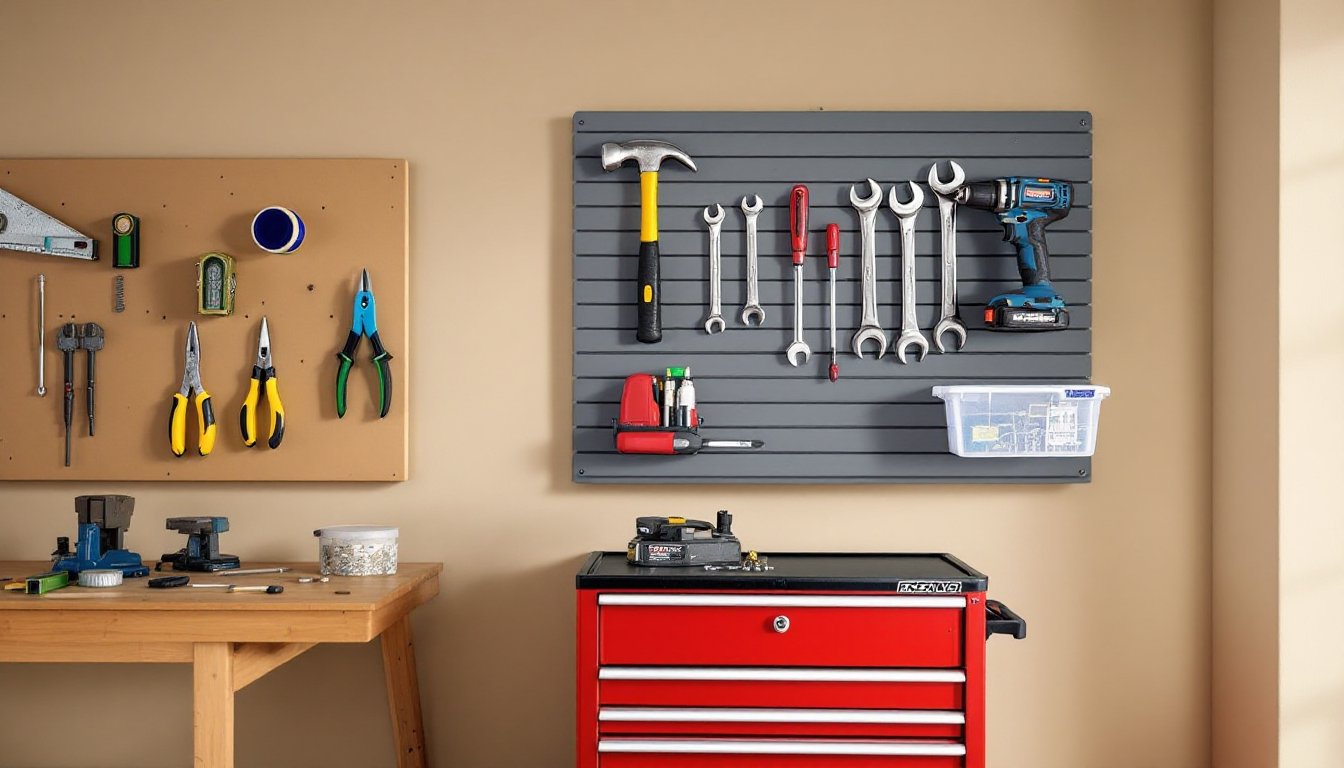
A cluttered workshop isn’t just frustrating, it’s dangerous and inefficient. Spending ten minutes hunting for a tape measure or tripping over a misplaced circular saw wastes time and creates hazards. Proper tool storage transforms a chaotic garage or basement into a functional workspace where every tool has a home and every project starts on solid footing. This guide breaks down the storage systems that actually work, compares popular options, and walks through practical strategies for organizing different tool types so DIYers can spend less time searching and more time building.
Table of Contents
ToggleKey Takeaways
- Proper tool storage protects expensive equipment from rust and moisture damage while reducing workshop hazards like tripping and fire risks.
- Wall-mounted systems like pegboard, slatwall, and French cleats offer scalable solutions; French cleats support 200+ pounds when fastened to studs with 3-inch construction screws.
- Rolling tool chests with full-extension drawers and organized compartments are ideal for professionals, while portable tool storage boxes and bins work best for job-specific tasks and consumables.
- Hand tools benefit from shadow boards for visibility, power tools need protection in cases or storage boxes, and blades and bits require indexed sets or foam-lined drawers to maintain sharpness and safety.
- Start with a complete inventory, analyze workflow patterns to place frequently-used tools within arm’s reach, and plan for future growth by leaving empty storage space and keeping everything clearly labeled.
Why Proper Tool Storage Matters for Every DIYer
Good tool storage does more than keep a workspace tidy. It protects expensive equipment from rust, impacts, and moisture damage that shorten tool life. Power tools left on damp concrete floors corrode faster than those stored on shelves or in tool storage boxes with proper ventilation.
Organized storage also improves safety. Blades, chisels, and sharp router bits need dedicated spots where they won’t cause accidental cuts. Trip hazards disappear when extension cords, clamps, and sawhorses aren’t piled on the floor. Fire safety improves, too, keeping oily rags, solvents, and flammable materials in proper containers reduces risk.
Efficiency matters just as much. Professionals know that a well-organized shop cuts project time significantly. When every socket, driver bit, and measuring tool lives in a labeled spot, there’s no need to dig through drawers or make extra trips to the hardware store for tools already owned but buried somewhere.
Finally, proper storage preserves tool accuracy. Levels, squares, and precision measuring tools need protection from bumps and vibration. A tool storage chest with foam inserts or divided compartments keeps calibrated equipment ready for use without constant recalibration.
Popular Tool Storage Systems Compared
Wall-Mounted Storage Options
Pegboard systems remain the budget-friendly standard. A 4×8 sheet of ¼-inch pegboard costs $20–$30 and mounts easily to studs with 1×2 furring strips behind it for hook clearance. Hooks, bins, and shelves rearrange without tools, making pegboard endlessly adaptable. The downside? Hooks fall out easily, and heavy tools stress the holes over time.
Slatwall panels offer a more robust alternative. These interlocking panels, originally designed for retail displays, hold significantly more weight (typically 75–100 pounds per square foot when properly mounted). Accessories lock into horizontal grooves and won’t accidentally dislodge. Expect to pay $3–$5 per square foot for PVC slatwall, or $6–$10 for heavy-duty metal versions.
French cleat systems provide maximum versatility for workshop storage. Cut a 1×6 or plywood at a 45-degree bevel, mount one piece to wall studs with the angle facing down, and attach the matching piece to tool holders or shelves. The interlocking cleats support tremendous weight, easily 200+ pounds when fastened to studs with 3-inch construction screws. French cleats work beautifully for custom workshop setups where tool collections change frequently.
Tool storage racks mounted directly to walls keep frequently used items within arm’s reach. Dedicated racks exist for specific tools: lumber racks for storing boards vertically, drill holders with spring clips, and wrench organizers with labeled slots. Mount these to studs or use toggle bolts rated for the load when studs aren’t positioned conveniently.
Mobile Storage Solutions
Rolling tool chests dominate professional shops for good reason. A quality chest with ball-bearing drawer slides holds hundreds of pounds of tools while staying mobile. Top boxes typically measure 26–56 inches wide: pair them with matching base cabinets for 6–12 drawers total. Look for tool storage chests with full-extension drawers, they allow access to the entire drawer depth instead of stopping halfway.
Drawer organization matters as much as the chest itself. Foam inserts, adjustable dividers, and socket organizers prevent tools from becoming jumbled piles. Dedicated sections for screwdrivers, pliers, and wrenches save time and reduce drawer digging.
Tool storage boxes and tool storage bins offer portable solutions for specific tasks. Storage tool boxes range from basic plastic models ($15–$40) to heavy-duty versions with metal latches and weatherproof seals ($50–$150). Contractors often dedicate separate boxes to plumbing tools, electrical work, or finish carpentry so they can grab exactly what’s needed for each job.
Stackable tool storage bins with clear sides make inventory visible at a glance. These work well for consumables (sandpaper, screws, nails) and small accessories (drill bits, router bits, hole saws). Label bins clearly, organization systems fail when nobody remembers which bin holds what.
Mobile workbenches combine work surface with storage underneath. Many feature locking casters (essential for stability while working) and built-in power strips. Heights typically run 34–36 inches to match standard workbench ergonomics. For serious woodworking, ensure the top is solid wood or heavy MDF rather than hollow-core, flimsy tops deflect under clamping pressure.
Smart Organization Strategies for Different Tool Types
Hand tools benefit from shadow boards, outlines painted or drawn around each tool on pegboard or plywood. Missing tools become immediately obvious, and returning tools to their spots takes seconds. Group tools by function: all measuring tools together, all striking tools together, all cutting tools together.
Power tools need protection from dust and moisture. If leaving tools on open shelves, store them in their original cases or invest in storage tool boxes sized appropriately. Cordless tools require battery management, designate charging stations near outlets and store batteries at room temperature (extreme heat or cold degrades lithium-ion cells).
Keep instruction manuals with the tools. Tape a small envelope to each case or dedicate a three-ring binder with page protectors. You’ll thank yourself when adjusting that bevel angle or changing brushes years later.
Clamps multiply faster than any other workshop item. Wall-mounted clamp racks work well, simple pipe clamps hang on dowels, while bar clamps stack horizontally on brackets. Store spring clamps in buckets or bins rather than letting them scatter.
Fasteners and hardware demand systematic organization. Small parts organizers with 20–40 drawers keep screws sorted by size and type. Label everything: #8 × 1¼″ deck screws, #10 × 2½″ construction screws, ¼″-20 bolts, etc. Mixing metric and SAE fasteners is a recipe for frustration.
Measuring and layout tools deserve dedicated protection. Store squares and levels hanging or in padded slots where they won’t get knocked around. Digital calipers and micrometers belong in cases, away from metal shavings and grinding dust. Many home organization systems emphasize protecting precision instruments from shop environments.
Blades and bits need safe storage that protects both the edges and the user. Circular saw blades hang on wall-mounted racks or store in blade cases. Router bits live in indexed sets or foam-lined drawers. Drill bits stay sharp longer in indexed cases rather than rattling loose in drawers, and they’re far easier to find when bits have designated spots.
Extension cords and air hoses tangle into nightmares when tossed in corners. Wall-mounted cord reels ($15–$40) or simple large hooks keep them coiled and accessible. For pneumatic shops, ceiling-mounted retractable hose reels position air exactly where needed without floor clutter.
Creating Your Custom Tool Storage Plan
Start with an honest inventory. Pull every tool out and decide what actually gets used. Tools that haven’t been touched in two years can be sold or donated, they’re taking up premium storage real estate.
Next, analyze workflow patterns. Tools used daily belong within easy reach, waist to shoulder height, close to the primary work area. Seasonal tools (snow blower attachments, holiday decorations) can occupy higher shelves or less accessible corners. Specialized tools used occasionally fit in tool storage bins stacked in designated zones.
Measure the available space carefully. Wall storage requires finding studs, use a stud finder and mark stud centers clearly before mounting heavy systems. Standard stud spacing is 16 inches on center, though 24-inch spacing appears in some construction. Mount anything heavy (slatwall, French cleats, loaded shelves) directly to studs with appropriate fasteners. Toggle bolts work for drywall between studs, but verify weight ratings.
Plan for growth. Most tool collections expand over time. Leave empty pegboard sections, extra drawer space, and open shelf areas. Build or buy tool storage systems that accommodate additions without requiring complete reorganization.
Consider specialty storage for specific hobbies. Woodworkers need lumber racks and dedicated space for sheet goods. Automotive work demands parts washers, oil drain pans, and jackstand storage. Workshop optimization guides often provide category-specific recommendations.
Don’t forget safety equipment storage. Respirators, safety glasses, hearing protection, and first aid supplies deserve prominent, accessible locations. Mount a fire extinguisher (10-lb ABC rated minimum) near exits and keep the path clear.
Finally, label everything. Use a label maker, paint pen, or even masking tape and permanent marker. Labels keep everyone in the household on the same organizational system and make returning tools automatic rather than a puzzle.
Conclusion
Effective tool storage isn’t about buying the most expensive cabinets or filling every wall with pegboard. It’s about creating a system where tools stay protected, remain easy to find, and support efficient work. Whether building a French cleat wall, investing in a rolling chest, or simply organizing tool storage boxes more thoughtfully, the effort pays back in saved time, reduced frustration, and tools that last decades rather than years.