
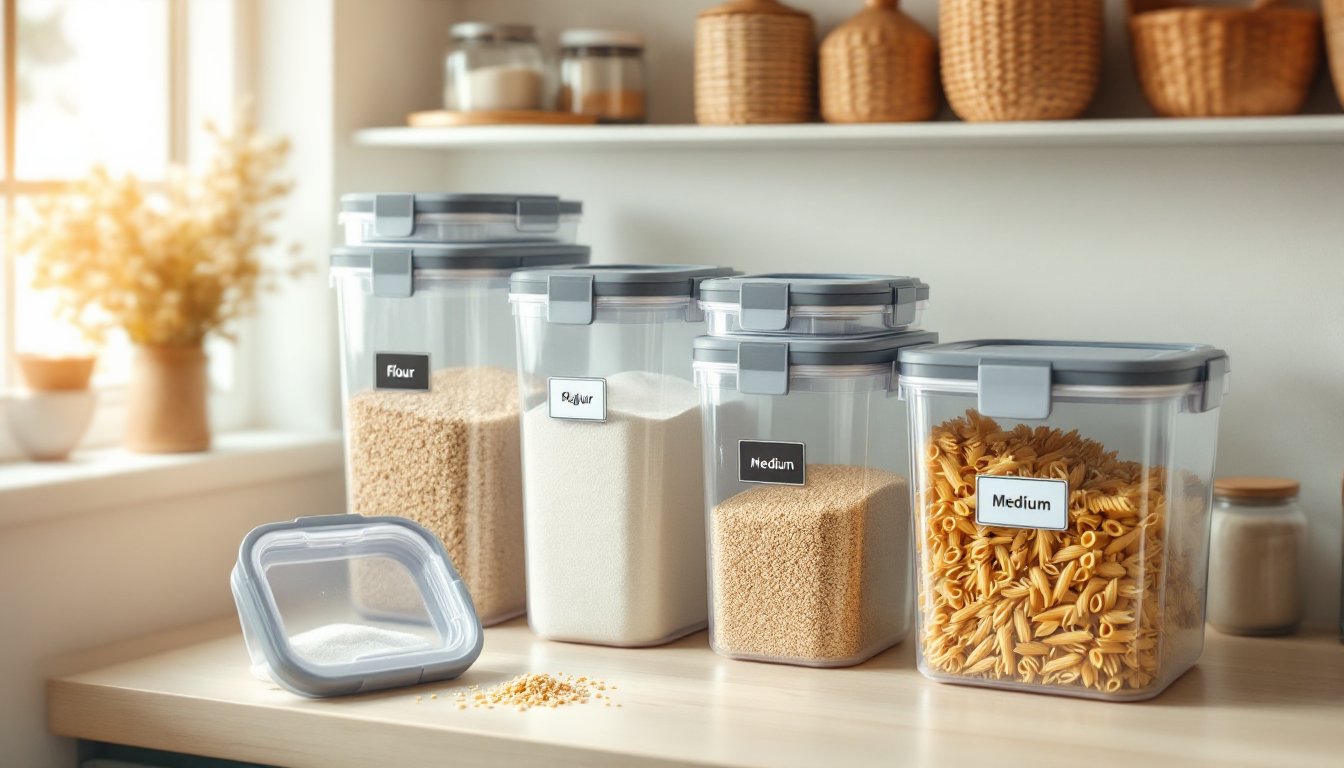
Moisture, pests, and stale air, these are the enemies of organized storage. Whether it’s holiday decorations in the attic, pantry staples in the kitchen, or workshop hardware in the garage, standard storage containers don’t always cut it when you need real protection. Airtight storage bins create a seal that keeps contents dry, fresh, and free from dust and critters. They’re not just for food anymore: modern airtight containers serve critical roles throughout the home, from protecting seasonal clothing to safeguarding important documents. This guide walks through what makes a bin truly airtight, where they shine brightest, and how to pick the right one for each job.
Table of Contents
ToggleKey Takeaways
- Airtight storage bins create a complete seal using silicone gaskets and locking latches that prevent moisture, pests, dust, and odors from entering, protecting everything from pantry staples to seasonal items.
- Properly sealed airtight storage containers can double or triple the shelf life of dry goods like flour, sugar, and rice by blocking humidity and preventing oxidation that causes spoilage.
- Choose plastic for affordable bulk storage and large capacity needs, glass for countertop pantry use and visibility, and stainless steel for durability in harsh garage and workshop environments.
- Match container size to rotation speed: small bins for spices and baking items, medium bins for flour and sugar, and large bins for bulk purchases and pet food.
- Airtight storage bins protect seasonal clothing, documents, and workshop supplies from moisture-related damage like mildew, rust, and decay in basements, attics, and unheated garages.
- Invest in quality gaskets and heavy-duty latches rather than budget bins, as cheap containers lose their seal quickly and fail to provide the moisture and pest protection airtight storage promises.
What Are Airtight Storage Bins and Why Do They Matter?
An airtight storage bin features a lid or closure mechanism designed to create a complete seal, blocking air exchange between the interior and exterior. This seal, typically achieved through silicone gaskets, locking latches, or threaded lids, prevents moisture intrusion, keeps oxygen out (slowing oxidation and spoilage), and blocks dust, pests, and odors.
The distinction matters more than you’d think. A standard plastic tote with a snap lid isn’t airtight: air flows freely around the rim. That’s fine for storing winter coats short-term, but useless for flour that’ll cake up in humid basements or electronics that can corrode from condensation.
True airtight bins serve three core functions: moisture control (critical in damp basements, garages, or coastal climates), pest prevention (sealed containers keep pantry moths, weevils, and rodents out), and odor containment (essential for pet food, seasonal items stored near living spaces, or shop rags). They also extend shelf life significantly, dry goods stored airtight can last months or years longer than in standard packaging.
You’ll see airtight bins in a range of materials and mechanisms. Look for gaskets that compress evenly around the lid perimeter and latches or clamps that apply consistent pressure. Some designs use screw-on lids (common in glass jars), while others employ silicone-lined snap lids with four-point locking latches. Test the seal if possible: a quality bin will resist opening when you press down on the lid and try to lift from one corner.
Top Benefits of Using Airtight Storage Containers
Extended food freshness tops the list. Flour, sugar, rice, pasta, and cereals stored in airtight bins stay fresh for months beyond their original packaging dates. The seal blocks humidity that causes clumping and prevents oxidation that leads to rancid oils in nuts and grains. In testing, properly sealed containers can double or triple pantry staple shelf life.
Pest elimination is the second major win. Pantry pests, Indian meal moths, flour beetles, weevils, can chew through cardboard, thin plastic bags, and even some vacuum-sealed pouches. They can’t penetrate a hard-shell airtight bin with a gasketed lid. If you’ve ever dealt with a moth infestation that spread from one bag of flour to contaminate an entire pantry, you understand the value of true containment.
Moisture and humidity protection extends beyond food. Seasonal clothing, bedding, and fabrics stored in damp basements or attics can develop mildew and musty odors. Airtight bins keep moisture out, preserving textiles and preventing mold growth. The same principle protects tools, fasteners, and hardware from rust in unheated garages or sheds.
Space efficiency and visibility come as bonus benefits. Stackable airtight bins with clear sides let you see contents at a glance and make use of vertical storage space. Many designs nest when empty, saving storage room. Labeled bins eliminate the “dig through three boxes” problem common with opaque totes.
Odor control matters in multi-use spaces. Pet food stored airtight won’t perfume your mudroom. Potent spices, coffee beans, and strong-smelling cleaning supplies stay contained. Shop rags soaked in solvents or stain won’t gas out the garage when sealed properly.
How to Choose the Right Airtight Storage Bins for Your Needs
Choosing the right bin starts with matching material and size to the specific use case. Not all airtight containers are created equal, and what works brilliantly in the pantry might fail in the garage.
Material Options: Plastic, Glass, and Metal
BPA-free plastic dominates the market for good reason: it’s lightweight, shatter-resistant, affordable, and available in every size. Look for polypropylene (PP) or high-density polyethylene (HDPE), both are food-safe and durable. Quality plastic bins feature thick walls (at least 2-3mm) that won’t crack or warp. Silicone gaskets seal better than rubber and last longer without degrading. Plastic works well for dry goods, bulk pantry items, pet food, and garage storage. It’s the top choice when you need large-capacity bins (5-20 gallons) for bulk storage.
Downsides? Plastic can absorb odors over time, may stain from tomato-based foods or turmeric, and isn’t microwave-safe in most cases. Cheaper bins develop stress cracks around latches after repeated opening.
Glass containers excel for refrigerator and pantry use where visibility, aesthetics, and true food safety matter. Borosilicate glass resists thermal shock (you can move it from fridge to counter without cracking) and won’t leach chemicals or absorb flavors. Glass bins with bamboo or plastic lids and silicone seals are popular for coffee, flour, sugar, and other frequently accessed items. They’re also dishwasher-safe and microwave-compatible (remove the lid first).
Limitations include weight (a gallon glass jar is heavy when full), fragility (drop it on tile and you’re sweeping glass), and cost (expect to pay 2-3× plastic bin prices). Glass makes sense for countertop and shelf storage but isn’t practical for attic totes or workshop use.
Stainless steel bins bridge the gap: durable like plastic, non-reactive like glass, and virtually indestructible. They’re ideal for camping gear, workshop supplies, and anywhere you need pest-proof, rodent-resistant storage. Steel containers with silicone-gasketed lids can handle temperature extremes and rough handling. They’re opaque, which protects light-sensitive items (certain spices, medications) but makes visual inventory impossible.
Cost and weight are trade-offs. Steel bins run expensive and they’re heavy. They also dent if dropped on concrete, though the seal usually remains intact.
Size and Capacity Considerations
Match capacity to rotation speed and available space. Small containers (0.5-2 quarts) suit spices, baking powder, yeast, and items you’ll use within weeks. Medium bins (2-6 quarts) handle flour, sugar, rice, pasta, and coffee, staples you refill monthly. Large containers (1-5 gallons) work for bulk purchases, pet food (a 5-gallon bin holds about 20 lbs of kibble), or seasonal storage.
Consider height and footprint. A tall, narrow bin fits better on pantry shelves but can be awkward to scoop from. Wide, shallow bins maximize drawer space and make it easy to access contents but don’t stack as efficiently. Measure your storage area first, there’s nothing worse than discovering your new bins are a half-inch too tall for the shelf.
For workshop and garage use, think about what you’re protecting. Small hardware (screws, nails, washers) benefits from compartmentalized bins with individual airtight sections. Larger tools and supplies fit in storage bins designed for durability, often with gasket-sealed lids and heavy-duty latches.
Stackability matters when you’re going vertical. Look for bins with recessed lids that nest into the bottom of the bin above them. Some designs include interlocking ridges that prevent shifting. Avoid bargain bins with warped lids that don’t sit flat, they won’t stack reliably.
Best Uses for Airtight Storage Bins Throughout Your Home
Kitchen and pantry applications are obvious but worth detailing. Transfer bulk dry goods, flour, sugar, rice, oats, pasta, into airtight bins immediately after purchase. This prevents pest introduction (eggs can hitchhike in packaging) and extends freshness. Label bins with contents and purchase dates using painter’s tape or a label maker. Store bins on pantry shelves or in base cabinets: stackable square bins use space more efficiently than round ones.
Coffee and tea benefit enormously from airtight storage. Oxygen degrades coffee oils, and moisture ruins tea leaves. Opaque or tinted containers protect light-sensitive varieties. Pet food stays fresh and odor-free in large airtight bins, bonus points if the bin holds the entire bag and has a scoop hook.
Basement and attic storage demands moisture protection. Seasonal decorations (especially fabric items like tree skirts and wreaths), off-season clothing, and bedding all need protection from humidity and pests. Clear airtight bins let you inventory contents without opening them, and they stack reliably for long-term storage. Include silica gel packets for extra moisture control in humid climates.
Important documents, photos, and memorabilia require archival conditions. Airtight storage containers rated for long-term use protect against moisture, dust, and insects. For irreplaceable items, consider adding oxygen absorbers to further slow degradation.
Garage and workshop environments are hostile, temperature swings, humidity, dust, and pests. Store fasteners (screws, nails, bolts) in small compartmentalized bins: moisture causes rust that makes them unusable. Keep fertilizers, seeds, and potting mix airtight to prevent clumping and preserve potency. Power tool accessories (bits, blades, sandpaper) stay sharp and rust-free in sealed containers.
Paint supplies deserve mention: brushes stored with mineral spirits or brush cleaner in airtight jars stay soft between projects. Leftover stain and finish should be transferred to smaller airtight containers to minimize air exposure (oxidation forms a skin on oil-based products).
Bathroom and laundry storage benefits from airtight bins for cotton balls, swabs, bath salts, and powdered detergent, all of which clump or degrade in humid environments. Small bins keep first-aid supplies fresh and organized.
Craft and hobby supplies often include items sensitive to moisture: paper, fabric, yarn, beads, and embellishments. Airtight bins prevent rust on metal findings, keep beads sorted, and protect paper from humidity that causes warping. Many crafters appreciate clear bins for visual inventory of supplies.
Conclusion
Airtight storage bins aren’t glamorous, but they solve real problems: food stays fresh longer, pests stay out, moisture doesn’t ruin seasonal items, and workshop supplies remain usable year after year. The key is matching material and size to the job, plastic for bulk and garage use, glass for pantry visibility and food safety, metal when you need maximum durability. Invest in quality gaskets and latches: cheap bins lose their seal quickly. For more comprehensive organization strategies and product recommendations, home improvement resources offer tested solutions for every room in the house.